
Bench Warrants in Fairfield County
Judges sit on the bench, and that is where the name comes from. Under the Connecticut Judicial Branch glossary, a bench warrant is court paper a judge issues from the bench for an arrest. In Fairfield County the label can follow a missed appearance, a violation of a court order, or some other courtroom event. The docket alone rarely spells out the fix. Whether the next step is a motion, a new appearance, a voluntary surrender, a bond review, or immediate custody is something to learn from the clerk or counsel. Related terms cause plenty of confusion. A failure-to-appear rearrest warrant is a judge's order after an alleged missed criminal, motor-vehicle, or infraction hearing. A capias under C.G.S. §54-2a is process aimed at a witness or defendant who broke an appearance order. The terms overlap in practice but are not the same thing. Connecticut does not use "capias pro fine" as everyday traffic shorthand, and Fairfield County readers should ask the clerk which exact process sits on the docket.
Missing Fairfield County Court
Do not wait for a web listing. Dig out the notice, the docket number, and the court location. Then call the criminal clerk in Fairfield County and ask whether a bench warrant or FTA rearrest warrant is recorded, which office holds the case, and what procedural options exist. Staff cannot promise that no arrest will occur, so skip that request.
- Identify the missed date and docket number.
- Confirm the correct Fairfield-area JD or GA.
- Ask whether counsel should file a motion or arrange an appearance.
- Get any available notice and written instructions.
- Bring identification and case papers if instructed to appear or surrender.
Timing has one protection. Under C.G.S. §54-2e, an FTA rearrest warrant or capias generally cannot issue before 4:00 p.m. on the day of the alleged failure absent good cause. That rule does not stop later process in a Fairfield County case.
How a Bench Warrant Is Issued
A bench warrant grows out of the court matter already open. The judge signs, and the clerk records the entry on the case-side docket. From there, process can move through PRAWN to authorized criminal-justice agencies. Municipal police or Connecticut State Police may serve it. No Fairfield County sheriff division stands between the court and the police. For the public, the VOP/FTA portal is the one online stop, and it is limited. Its current notice says FTA warrants are not displayed in the ordinary list until further notice, and some safety-sensitive and youthful-offender records are excluded too. A blank result does not disprove a bench warrant. The issuing clerk stays the confirmation route.
Fairfield County Bench Warrant Terms
In Fairfield County, plain labels help you ask precisely.
- Bench warrant
- Judge-issued court papers authorizing arrest.
- FTA rearrest warrant
- Process tied to an alleged failure to attend a required proceeding.
- Capias
- Connecticut process compelling appearance or authorizing arrest in the statutory context.
- Recall or quash
- Court action withdrawing the warrant.
- Bond forfeiture
- Loss of posted security after a failure to appear, subject to court action.
- OTI
- Order to incarcerate, associated in official materials with unpaid fines or a served sentence context.
Age alone does not void a warrant. Only the issuing court can confirm recall, quash, service, or another disposition of a Fairfield County bench warrant.
Fairfield County Bench Warrant vs Arrest Warrant
Both papers authorize an arrest. That is where the likeness ends. An arrest warrant usually grows from a police application and a judicial probable-cause review before any arrest, while a bench warrant in Fairfield County grows from a court matter and a missed duty. Knowing which one you face points you toward the right records.
| Point | Bench Warrant | Arrest Warrant |
|---|---|---|
| Starting event | Missed appearance or court-order issue | Investigation and warrant application |
| Primary record | Existing court docket | Application, affidavit, and resulting case record |
| First confirmation | Issuing criminal clerk | Court, counsel, or investigating agency as appropriate |
| Likely next step | Motion, appearance, or surrender instruction | Safe surrender and booking plan |
A summons orders appearance without authorizing arrest the same way. Skip that summons date in Fairfield County, though, and an FTA issue can follow.
Fairfield County Voluntary Surrender Timeline
Plan a surrender, never wing it. Work out the details with the court, the police agency, and counsel where fitting. Fairfield County has no central booking counter, so the right place and time depend on the docket and the agency.
Clerk confirmation → counsel or motion review → instructed appearance or police booking → bail commissioner review → court review → new date and written record.
Booking is not the end of the story. A state bail commissioner may set or recommend release conditions. The court then chooses among a written promise, nonfinancial conditions, non-surety bond, cash, or surety bond. The Judicial Branch bail glossary notes that a court may allow ten percent of a surety bond in cash, but that is not a promise in every case. The order specific to your Fairfield County case controls.
How to Resolve a Fairfield County Bench Warrant
Start by confirming the issuing court and docket. Then ask whether a motion to open, recall, or quash is available, whether counsel can arrange a date, or whether surrender and booking are required. A clerk explains process but cannot pick the best strategy. A Connecticut defense lawyer or eligible public defender can weigh the risk and make the filings a Fairfield County case needs.
Do not assume payment clears process. A records request, police report, online payment, or old image capture does not recall a Fairfield County bench warrant.
Attend every new date. Keep the bond receipt, release paper, court order, and updated docket. Posting bond or leaving custody does not end the underlying case, and Fairfield County runs no amnesty day and offers no universal recall form, so stick with ordinary court channels. Beware any demand for gift cards or cryptocurrency.
Fairfield County Bench Warrant Records
Field inventories are safest with no real person or docket. Public Fairfield County results may expose fewer fields than the clerk's record.
| Docket | A court identifier such as CT-DOCKET-REFERENCE, not a real case. |
|---|---|
| Court | The GA or JD that issued process. |
| Context | The appearance or order connected to the warrant. |
| Process label | Bench warrant, FTA rearrest warrant, capias, or OTI. |
| Status | Issue, service, or recall information if public. |
| Bond or instruction | Terms that require current court confirmation. |
Read status words with care. In Fairfield County records, "issued" is not proof of active status today, and "served" does not mean the whole case ended.
Which Fairfield County Court Issued It
Start with the right court, because that is who controls any Fairfield County bench warrant. Criminal cases here run through the Superior Court, not through towns. The Judicial Branch directory shows which geographic area handles each town: GA 2 for Bridgeport, GA 3 for Danbury, GA 1 for Stamford, and GA 20 for Norwalk. Clerk lines differ by location. Bridgeport public information is 203-579-6527. Danbury sits at 203-207-8600. Stamford-Norwalk lists 203-965-5308, with its criminal clerk at 203-965-5208. Connecticut has no county criminal clerk or town-level criminal court, and if the arrest happened in another town the originating court still keeps the case.
Fairfield County Bench Warrant Public Access
Connecticut's freedom-of-information law opens some warrant records but not all of them. C.G.S. §1-215 governs public arrest records, and after a warrant arrest it may cover the application and affidavit too. C.G.S. §1-210 then steps in to shield investigative material, witness and victim details, safety concerns, and matters still pending. Juvenile and youthful-offender files face extra limits. That is the rulebook behind any Fairfield County warrant lookup, not a blanket public roster.
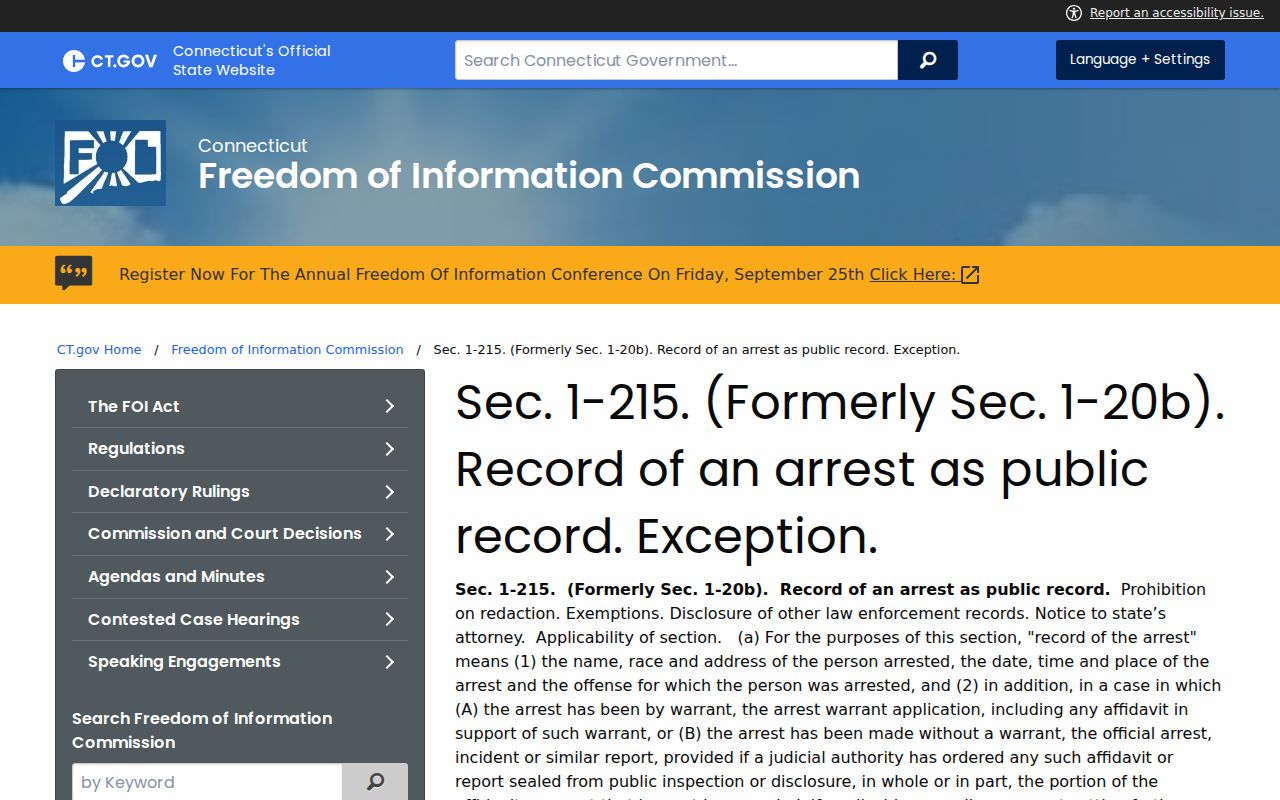
Access in Fairfield County starts with that legal rule, so a full list is never guaranteed. When part of a file is exempt, you can still ask the custodial office for the segregable non-exempt portions.
Fairfield County Fugitive Tip Programs
Fugitive tip lines are not bench-warrant self-check tools. The Connecticut DOC Parole Fugitive Investigations Unit chases parole absconders and escapees, often with task-force partners. Its program page describes that mission and posts no wanted-person roster.
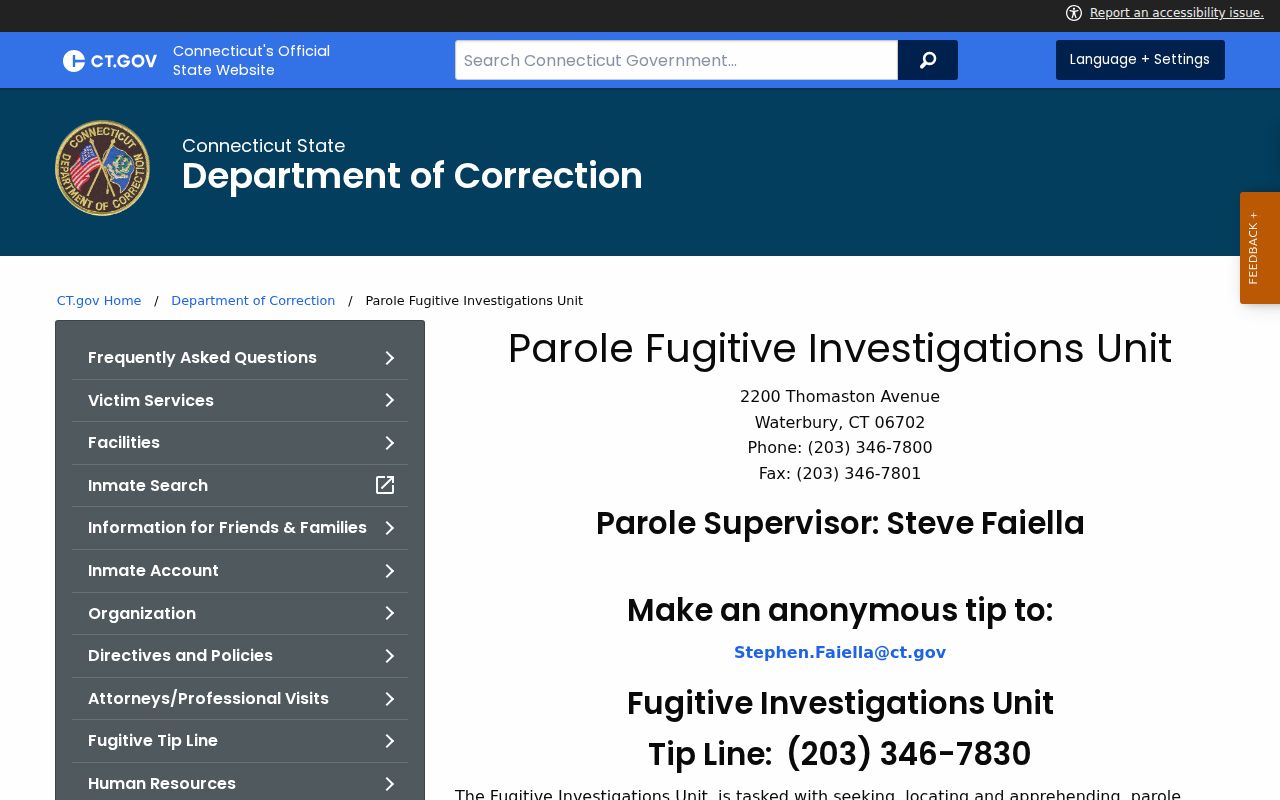
That unit's scope is narrow. It cannot confirm an ordinary Fairfield County bench warrant. Connecticut State Police also run a public tip route, which is a reporting channel, not a warrant list.
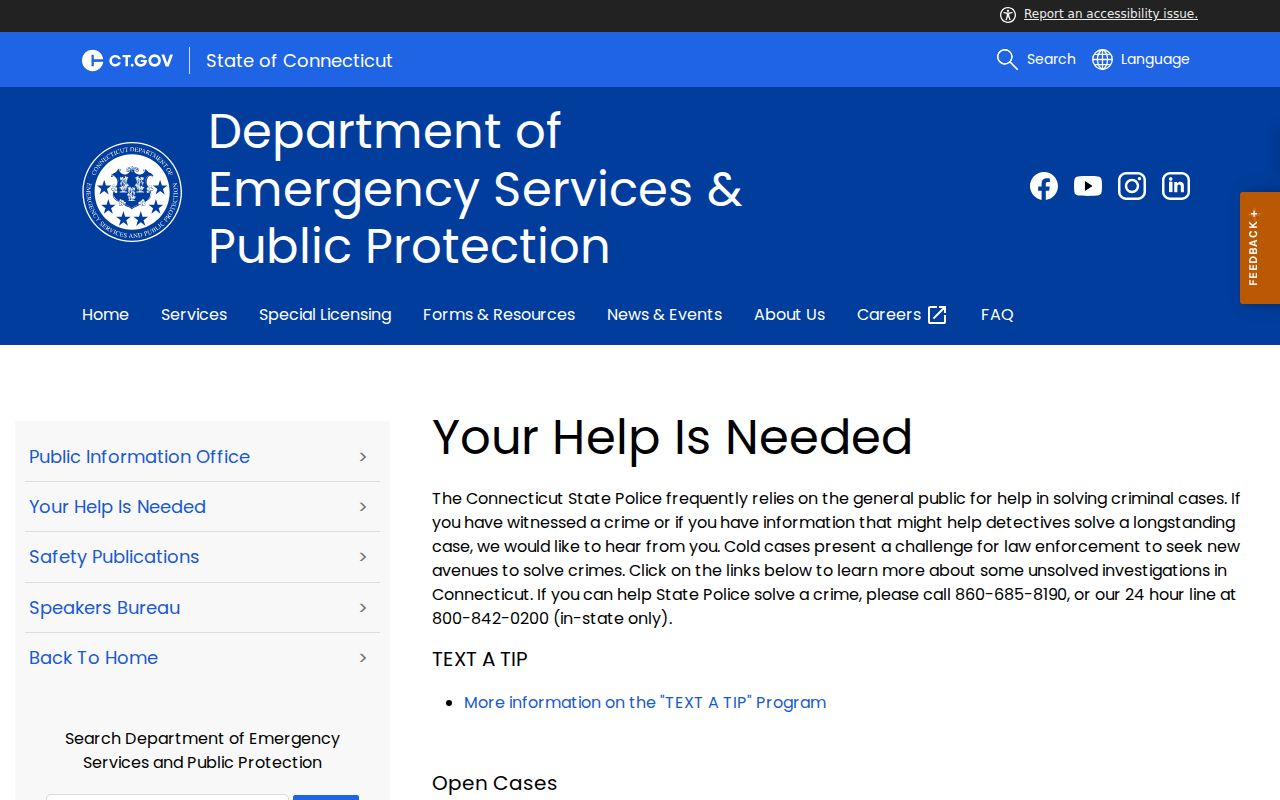
Do not approach anyone based on public information; a real threat means calling 911. For your own Fairfield County bench warrant, work through the issuing clerk and a lawyer instead.
Fairfield County Court Service Centers
Court Service Centers help people find forms, sort out filing paths, use public resources, and reach the right office for a case. They are not lawyers, and they cannot promise what a judge will do with a bench warrant. Fairfield-area numbers are 203-579-7210 at Fairfield JD, 203-207-8766 in Danbury, 203-576-3602 at Lafayette Circle, and 203-965-5328 for Stamford-Norwalk, though Lafayette Circle is not a verified walk-in warrant counter. When you call, ask which criminal clerk handles the docket, whether a form is public, and where an instructed appearance would happen. Security rules, hours, entrances, and parking shift often, so confirm them before you travel. If counsel needs to file a motion or arrange a surrender, a service center cannot fill that role. Fairfield County also has no county bond desk. A person may pass first through municipal police booking and bail commissioner review, with the case then returning to Superior Court. A town clerk cannot clear process at any point. Keep the office name, the date, the instruction you were given, and any written notice, since that paper trail cuts confusion later.
Proving Fairfield County Warrant Recall
A bench warrant vanishing from a public screen proves little. In Fairfield County, ask the clerk for the docket entry, signed order, or other court record showing recall, quash, or service. If police received process through PRAWN, counsel or the clerk can confirm the court action reached the right agency channel. A saved image and a phone message from an unrelated office are weak substitutes. Keep the recall record with your bond and release papers. Attend the next date. Check the docket again. Bond secures your return to court; it does not erase the case. A police records request documents an agency file but cannot withdraw judge-issued process, so clear records matter when an old portal result conflicts with newer court action.